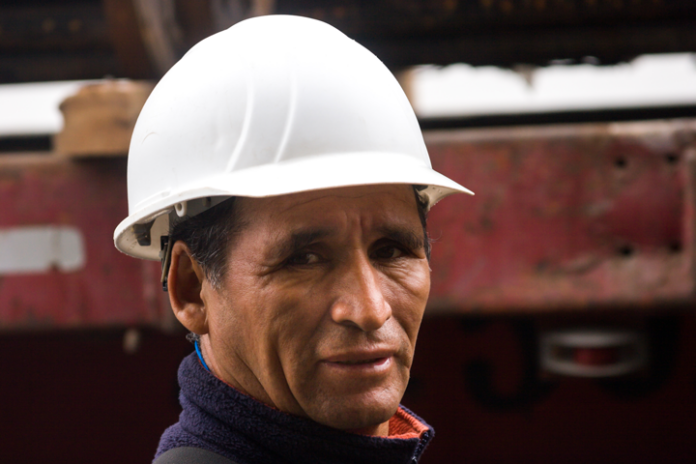



Workplace safety is often seen as a regulatory requirement—something businesses address to stay compliant. But in reality, it goes far beyond rules and checklists. For local businesses, prioritizing safety is about protecting people, maintaining trust, and ensuring long-term stability. Whether it’s a small retail store, a construction company, or a growing office in the community, every workplace carries risks that shouldn’t be overlooked. Some of these risks are more serious than they appear, including hazards like Different Types of Electrical Burns at the Workplace, which can lead to lasting injuries if not properly addressed.
The Real Impact of Workplace Injuries
It’s easy to underestimate how frequently workplace injuries occur, especially in smaller or close-knit business environments. Many assume that serious incidents only happen in high-risk industries, but accidents can occur anywhere—from office settings to warehouses and service-based businesses.
When an injury happens, the consequences ripple outward. Employees may face physical pain, emotional stress, and financial strain. At the same time, businesses deal with lost productivity, potential legal issues, and reputational damage. For local businesses that rely heavily on community trust, even a single incident can have lasting effects.
More importantly, many injuries are preventable. From slips and falls to more severe incidents like burns or equipment-related injuries, most workplace accidents stem from overlooked safety practices or lack of awareness.
Why Local Businesses Are Especially Vulnerable
Large corporations often have dedicated safety teams and structured protocols in place. Local businesses, however, may not always have the same resources. This makes it even more critical for them to proactively address safety concerns.
In smaller teams, employees often take on multiple roles, which can increase exposure to unfamiliar tasks or environments. For example, someone handling basic maintenance may unknowingly come into contact with electrical risks. Without proper training or safeguards, this can lead to serious injuries, including Different Types of Electrical Burns at the Workplace, which are not only painful but can also result in long-term complications.
Additionally, local businesses are deeply connected to their communities. When an employee is injured, it’s not just a workplace issue—it becomes a community concern. Friends, families, and customers all feel the impact.
The Cost of Ignoring Safety
Some business owners hesitate to invest in safety measures, assuming it’s an added expense. In reality, neglecting workplace safety is far more costly.
Direct costs include medical expenses, compensation claims, and potential fines. Indirect costs—such as employee turnover, reduced morale, and operational disruptions—can be even more damaging over time.
A single serious incident can halt operations, especially for smaller businesses that depend on a limited workforce. Moreover, customers are increasingly aware of how businesses treat their employees. A reputation for poor safety standards can quickly erode trust and loyalty.
Building a Culture of Safety
Creating a safe workplace doesn’t require massive resources—it starts with awareness and consistency. Local businesses can take practical steps to build a culture where safety is part of everyday operations.
1. Employee Training
Regular training sessions help employees recognize risks and respond appropriately. This includes understanding how to handle equipment, identify hazards, and follow safety protocols.
2. Clear Communication
Encourage open communication about safety concerns. Employees should feel comfortable reporting risks without fear of blame.
3. Routine Inspections
Conducting regular checks of equipment, wiring, and workspaces can prevent small issues from turning into major hazards.
4. Proper Equipment and Signage
Providing the right tools and clear safety signs can significantly reduce the likelihood of accidents.
5. Emergency Preparedness
Having a clear plan in place for emergencies ensures that everyone knows how to respond quickly and effectively.
Addressing Hidden Risks
Not all workplace hazards are obvious. While some dangers are visible, others—like electrical risks—can go unnoticed until it’s too late.
Faulty wiring, overloaded circuits, or improper use of equipment can create dangerous situations. These risks are often underestimated, yet they can lead to severe outcomes such as Different Types of Electrical Burns at the Workplace, which vary in severity but often require immediate medical attention.
By identifying and addressing these hidden risks early, businesses can prevent incidents before they occur.
The Role of Leadership
Workplace safety starts at the top. When business owners and managers prioritize safety, it sets the tone for the entire organization.
Leaders who actively promote safe practices, invest in training, and respond quickly to concerns create an environment where employees feel valued and protected. This not only reduces the likelihood of accidents but also boosts morale and productivity.
On the other hand, neglecting safety sends the wrong message—that efficiency or cost-saving matters more than employee well-being. Over time, this can lead to disengagement and increased risk.
A Community Responsibility
For local businesses, workplace safety isn’t just an internal matter—it’s a community responsibility. Employees are also neighbors, friends, and family members. Keeping them safe contributes to the overall well-being of the community.
When businesses take safety seriously, they set a positive example for others. This creates a ripple effect, encouraging higher standards across industries and strengthening the local economy.
Final Thoughts
Workplace safety should never be an afterthought. It’s a fundamental part of running a responsible and sustainable business. For local businesses, the stakes are even higher, as every decision directly impacts the community they serve.
By staying proactive, addressing risks early, and fostering a culture of awareness, businesses can protect their employees and build a stronger foundation for long-term success. In the end, safety isn’t just about avoiding accidents—it’s about valuing people, earning trust, and doing what’s right.