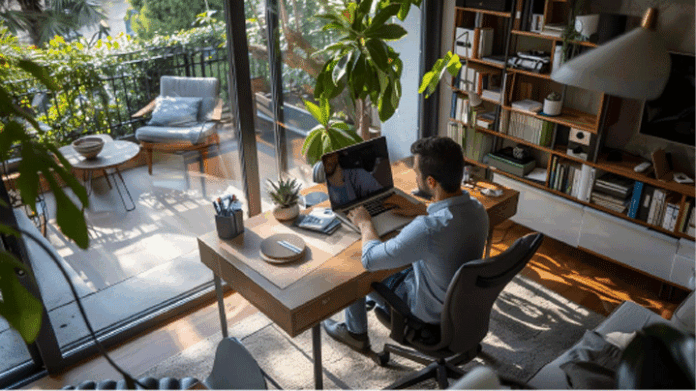



Homes are no longer defined by single-purpose rooms. Over the past few years, the way people use their living spaces has shifted significantly, with more activities taking place under one roof than ever before. Work, rest, social time, and personal projects now coexist within the same environment, often within the same room.
This change has created a new challenge: how to design spaces that support both focus and relaxation without one interfering with the other. A room that is too work-oriented can feel rigid and exhausting, while one that leans too heavily toward comfort may struggle to support productivity. Finding a balance between these two functions has become essential for maintaining both efficiency and well-being.
Why Balance Matters More Than Ever
The ability to transition smoothly between different modes, working, resting, and recharging, depends largely on the environment. When spaces are not designed with this flexibility in mind, the boundaries between these activities begin to blur. This can lead to longer working hours, reduced quality of rest, and a general sense of mental fatigue.
Creating clear, intentional zones within a home helps address this issue. These zones do not need to be separated by walls; they can be defined through layout, lighting, or even subtle visual cues. What matters is that each area supports a specific purpose, allowing the mind to shift more easily between tasks and states of mind.
Designing for Dual Functionality
Achieving a balance between relaxation and productivity begins with understanding how a space will be used throughout the day. A home office, for example, may also need to function as a reading corner or a guest area. Rather than trying to force a single identity onto the space, the goal is to allow it to adapt.
This is where thoughtful design choices make a difference. Furniture that can serve multiple purposes, adjustable lighting, and flexible layouts all contribute to a more versatile environment. Concepts reflected in approaches like Lifestyle Meets Comfort highlight how intentional design can integrate both ease and functionality, allowing spaces to evolve alongside daily routines rather than restrict them.
The Role of Comfort in Productivity
Productivity is often associated with structure and discipline, but comfort plays an equally important role. A space that feels physically and visually comfortable encourages longer periods of focus without strain. Ergonomic seating, natural light, and a balanced arrangement of elements all contribute to a setting that supports sustained attention.
At the same time, comfort should not be confused with distraction. The goal is not to replicate a purely relaxing environment, but to create one that reduces unnecessary tension. When the body is supported and the environment feels stable, it becomes easier to concentrate on tasks without constant adjustment or discomfort.
Creating a Clear Transition Between Work and Rest
One of the most important aspects of a multi-functional space is the ability to transition out of work mode. Without a clear shift, the mind can remain partially engaged with tasks even during periods of rest. This often leads to a feeling of never fully disconnecting.
Small changes can help signal this transition. Adjusting lighting, rearranging certain elements, or even introducing a different activity into the same space can create a mental boundary. These signals do not need to be dramatic; they simply need to be consistent enough to mark a change in purpose.
Over time, these transitions become part of a routine, helping to reinforce the distinction between productivity and relaxation.
The Influence of Environment on Well-Being
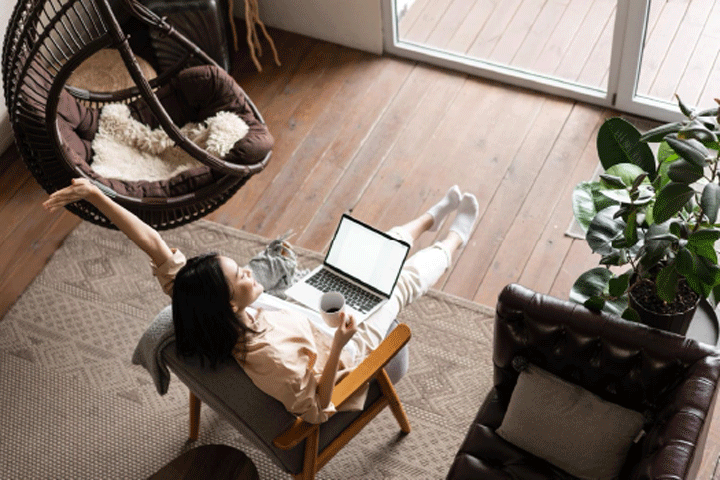
The impact of the environment on daily life is well documented. According to the Harvard Business Review, workspace design and environmental factors play a significant role in both productivity and overall satisfaction. While much of this research focuses on professional settings, the principles apply equally to home environments.
A well-designed space supports not only what people do, but how they feel while doing it. It reduces friction, minimizes distractions, and creates a sense of order that makes it easier to navigate daily responsibilities. At the same time, it provides the comfort needed to recover and recharge effectively.
Practical Adjustments That Make a Difference
Creating a balanced space does not require a complete redesign. In many cases, small adjustments can have a meaningful impact. Repositioning furniture to create clearer zones, introducing softer lighting for evening use, or reducing visual clutter can all contribute to a more functional environment.
The key is to approach these changes with intention. Rather than adding more elements, it is often more effective to refine what is already there. Removing what does not serve a purpose can create space for what does, making the environment feel more cohesive and manageable.
Adapting Over Time
As routines change, so too should the spaces that support them. A layout that works well at one stage may need to be adjusted as priorities shift. This adaptability is a defining feature of modern living, where flexibility is often more valuable than permanence.
By maintaining a willingness to adjust and refine, individuals can ensure that their environments continue to meet their needs. This ongoing process helps prevent spaces from becoming outdated or misaligned with daily life.
A More Intentional Way of Living
At its core, designing spaces for both relaxation and productivity is about intention. It involves making deliberate choices about how environments are structured and how they support different aspects of life. Rather than allowing spaces to evolve by default, this approach encourages a more thoughtful relationship with the home.
The result is not just a more functional space, but a more balanced experience of daily life. When environments are aligned with routines, it becomes easier to move between focus and rest without friction.
As the boundaries between work and home continue to shift, the importance of adaptable, supportive environments will only grow. Creating spaces that accommodate both productivity and relaxation is no longer a luxury, it is a practical necessity.
By focusing on flexibility, comfort, and intentional design, it is possible to build environments that support both efficiency and well-being. In doing so, the home becomes more than just a place to live; it becomes a space that actively contributes to a more balanced and sustainable way of life.