


For many years, residential interiors followed a predictable pattern. Standard layouts, uniform finishes, and mass-produced elements defined the way homes were built and furnished. While this approach offered efficiency and accessibility, it often came at the cost of individuality. Today, that balance is shifting. More homeowners are moving away from generic design in favor of spaces that feel intentional, functional, and aligned with how they actually live.
This growing demand for custom interiors reflects a broader change in priorities. Instead of viewing a home as a static structure, people are beginning to see it as a dynamic environment, one that should adapt to routines, preferences, and long-term needs. As a result, design decisions are becoming more deliberate, with a focus on quality, usability, and personal expression.
Beyond Surface-Level Design
Customization is no longer limited to choosing colors or finishes. It now extends to the way spaces are structured and how different elements interact with one another. Layout, storage, lighting, and material selection are all considered as part of a cohesive system rather than isolated choices.
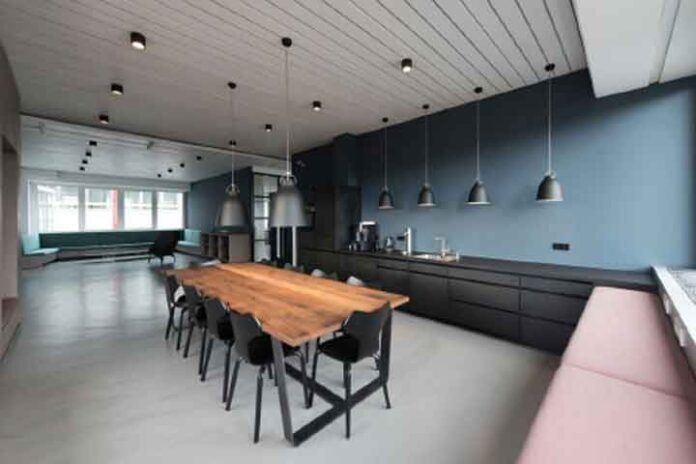
This is particularly evident in areas like kitchens and living spaces, where functionality plays a central role. Instead of relying on standard configurations, homeowners are investing in solutions that reflect their daily habits. Tailored features, such as integrated storage, adaptable layouts, and purpose-built cabinetry, help create environments that are not only visually appealing but also practical over time.
This is where the role of craftsmanship becomes more visible. High-quality, custom-built elements, including cabinets in Seattle, illustrate how design and function can be integrated seamlessly. Rather than forcing users to adapt to the space, these solutions are designed to support natural movement and routine, making everyday tasks more efficient.
The Role of Storage in Modern Design
One of the most noticeable changes in custom interiors is the emphasis on storage. As living spaces become more versatile, the need for organized, accessible storage has increased. Clutter not only affects the appearance of a space but also its functionality, making it harder to maintain a sense of order.
Custom cabinetry addresses this challenge by creating storage solutions that fit the exact dimensions and requirements of a home. Instead of relying on generic units, homeowners can incorporate features that match their specific needs, whether that involves maximizing vertical space, integrating hidden compartments, or designing layouts that improve accessibility.
This level of precision contributes to a more efficient environment. When everything has a designated place, daily routines become smoother, and the space feels more manageable overall.
Beyond Surface-Level Design
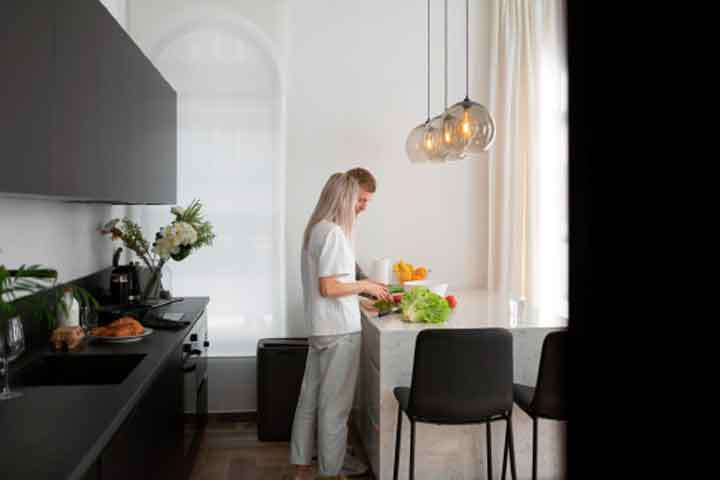
Several factors are contributing to the rise of custom interiors. One of the most significant is the way people use their homes. With more activities taking place in the same space, work, leisure, and social interaction, there is a greater need for flexibility. Standard designs often struggle to accommodate this level of complexity, while custom solutions offer the adaptability required to manage it.
Another factor is the increasing emphasis on long-term value. Homeowners are becoming more aware that initial cost is only one part of the equation. Durability, efficiency, and usability all contribute to the overall value of a space. Custom interiors, when executed thoughtfully, tend to perform better in these areas, making them a more sustainable investment.
According to Houzz, recent renovation trends show a growing preference for personalized design elements and built-in features, particularly in kitchens and storage areas. This shift highlights a broader movement toward homes that are tailored rather than standardized.
Craftsmanship as a Long-Term Advantage
Quality is another key factor driving the demand for custom interiors. Mass-produced elements are often designed for broad compatibility rather than longevity. While they may meet immediate needs, they can fall short over time, particularly in high-use areas.
Custom-built components, on the other hand, are typically designed with durability in mind. Materials are selected based on performance as well as appearance, and construction methods prioritize strength and stability. This attention to detail results in interiors that age more gracefully and require fewer adjustments over time.
Craftsmanship also plays a role in maintaining consistency across a space. When elements are designed and built as part of a unified plan, the result is a more cohesive environment, where each component supports the overall design rather than competing with it.
Balancing Aesthetics and Function
One of the challenges of custom design is finding the right balance between visual appeal and practicality. A space that looks impressive but does not function well can quickly become frustrating, while a purely functional design may lack the character that makes a home feel inviting.
Custom interiors address this balance by integrating both aspects from the outset. Instead of treating aesthetics and function as separate considerations, they are developed together. This approach ensures that design choices contribute to both the appearance and usability of the space.
For example, cabinetry can be designed to enhance visual flow while also improving storage efficiency. Lighting can be positioned to highlight architectural features while supporting daily activities. These integrated decisions create environments that feel both refined and livable.
Adapting to Changing Needs
Another advantage of custom interiors is their ability to adapt over time. As lifestyles evolve, so do the demands placed on a home. Flexible design elements, such as modular storage or multi-purpose spaces, allow for adjustments without the need for major renovations.
This adaptability is particularly valuable in long-term homeownership. Instead of outgrowing a space, homeowners can modify it to suit new circumstances, preserving both functionality and value.
A More Intentional Approach to Living
The shift toward custom interiors reflects a broader movement toward intentional living. Rather than accepting default solutions, people are taking a more active role in shaping their environments. This approach emphasizes quality over quantity, focusing on elements that contribute meaningfully to daily life.
In practice, this means making fewer but more thoughtful decisions. It involves considering how each element will be used, how it will age, and how it fits into the overall design. The result is a home that feels more aligned with its occupants, both in form and function.
As expectations for residential design continue to evolve, the demand for customization is likely to grow. Homes are becoming more than just places to live, they are spaces that support a wide range of activities and experiences. Meeting these demands requires a level of flexibility and precision that standard solutions often cannot provide.
Custom interiors offer a way forward, combining craftsmanship, functionality, and personal expression into a cohesive whole. By focusing on how spaces are used, rather than simply how they look, they create environments that are better equipped to support modern living. Ultimately, the rise of custom design is not just about aesthetics. It is about creating homes that work, spaces th