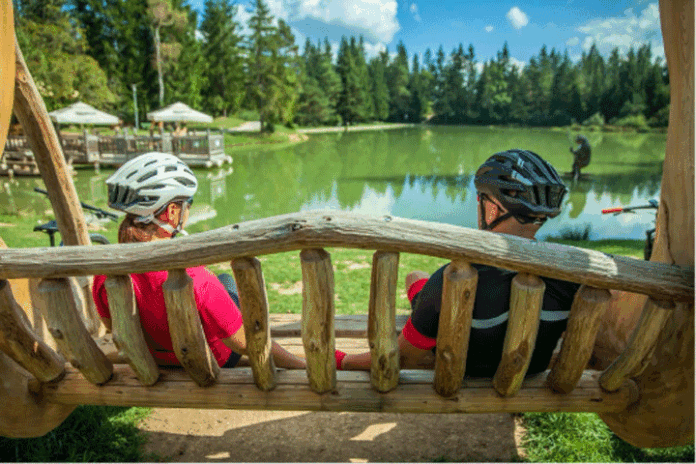



For many years, vacations were defined by rest in its simplest form, lounging by the pool, spending long hours on the beach, and stepping away from routine without much structure. While that version of travel still holds appeal, it is no longer the only priority. Increasingly, travelers are looking for something more engaging, experiences that involve movement, participation, and a deeper connection to the destination itself.
This shift reflects a broader change in mindset. Travel is no longer just about escape; it is about engagement. People want to return home not only relaxed, but also with a sense that they have done something meaningful with their time. As a result, destinations that offer a mix of natural beauty and hands-on activities are becoming more desirable.
The Appeal of Doing, Not Just Seeing
Active travel introduces a different rhythm. Instead of observing a place from a distance, travelers become part of it. Whether it is exploring coastal waters, hiking through natural landscapes, or participating in local traditions, these experiences create a stronger sense of presence.
Coastal destinations, in particular, have become central to this trend. Their environments naturally support a range of activities that go beyond passive enjoyment. Experiences like deep water fishing in Destin illustrate how travelers can engage directly with the setting, turning a simple visit into something more immersive. The combination of open water, skilled guidance, and the unpredictability of the experience adds a layer of excitement that traditional vacations often lack.
Why Activity Enhances the Experience
Engagement changes how memories are formed. When people participate in an activity, they are more likely to remember details, the environment, the process, and the outcome. This is partly because active experiences require attention and involvement, making them more vivid and lasting.
There is also a sense of accomplishment that comes with participation. Completing an activity, learning a new skill, or simply navigating an unfamiliar environment creates a feeling of progress. This stands in contrast to passive downtime, where time may pass quickly but without the same sense of achievement.
In this way, active travel offers a balance between relaxation and stimulation. It provides moments of rest, but also opportunities for growth and exploration.
Health and Well-Being Benefits
The benefits of active travel extend beyond enjoyment. Physical movement, fresh air, and exposure to natural environments all contribute to overall well-being. Even moderate activity can have a positive impact on energy levels and mood, making the experience more restorative than it might initially appear.
According to Harvard Health Publishing, regular physical activity is linked to improved mental health, reduced stress, and better overall resilience. When travel incorporates these elements naturally, through activities like fishing, swimming, or walking, the benefits are integrated into the experience rather than requiring separate effort.
This connection between activity and well-being is one of the reasons travelers are rethinking how they spend their time away from home. Instead of choosing between relaxation and health, they are finding ways to combine the two.
The Role of Environment in Active Travel
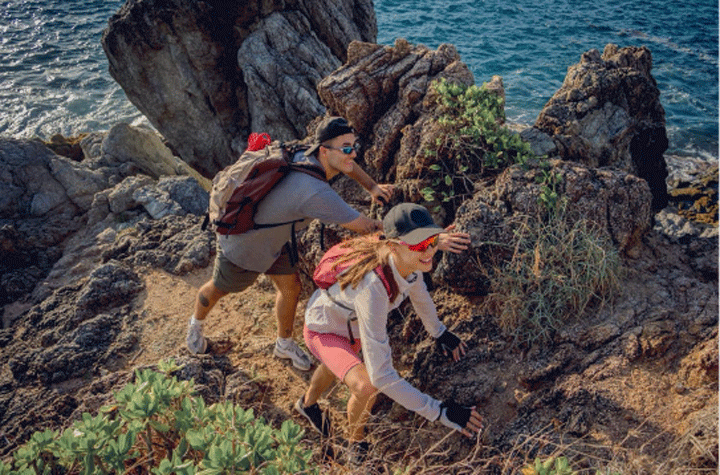
Not all destinations are equally suited to active experiences. The most effective environments are those that naturally encourage participation without requiring extensive planning. Coastal regions, mountains, and other outdoor settings provide built-in opportunities for exploration.
Destin, for example, is known not only for its beaches but also for the variety of activities available along its coastline. The surrounding waters offer opportunities that range from casual outings to more structured experiences, making it accessible to a wide range of visitors. This versatility allows travelers to tailor their level of activity based on preference and experience.
The environment itself becomes part of the activity. The movement of water, the changing weather conditions, and the presence of marine life all contribute to an experience that feels dynamic rather than static.
Social Connection Through Shared Activities
Another advantage of active travel is its ability to strengthen social connections. Shared experiences tend to create stronger bonds than passive ones. Working together, learning something new, or navigating an activity as a group encourages communication and collaboration.
For families, this can mean creating memories that feel more meaningful than traditional sightseeing. For friends or couples, it offers an opportunity to engage in something that requires attention and cooperation. Even for solo travelers, guided activities provide a chance to connect with others in a natural and unforced way.
These interactions add another layer to the travel experience, making it more than just a change of location.
Balancing Activity and Rest
While active travel emphasizes engagement, it does not eliminate the need for rest. In fact, the most effective trips are those that balance both elements. Periods of activity are complemented by moments of relaxation, creating a rhythm that feels sustainable rather than overwhelming.
This balance is one of the reasons active getaways are becoming more popular. They offer variety without requiring constant motion. Travelers can choose when to engage and when to step back, allowing the experience to adapt to their energy levels.
A More Intentional Approach to Travel
The move toward active travel reflects a more intentional approach to time. Instead of filling days with unstructured downtime, travelers are making deliberate choices about how they spend their time. This does not mean eliminating spontaneity, but rather creating a framework that allows for both planning and flexibility.
Activities provide a focal point around which the rest of the trip can be organized. They create a sense of direction, making it easier to structure time without feeling restricted. This approach often leads to a more satisfying overall experience.
As travel continues to evolve, the demand for active experiences is likely to grow. People are increasingly aware of the value of their time and are looking for ways to use it more meaningfully. Destinations that offer opportunities for engagement, exploration, and connection are well positioned to meet this demand.
Active getaways represent a shift in how vacations are defined. They move beyond the idea of simply stepping away from routine and instead focus on creating experiences that are both enjoyable and enriching. By combining movement, environment, and interaction, they offer a more complete way to travel.
Ultimately, the appeal lies in the balance they provide. Travelers return not only rested, but also with a sense of having participated in something memorable, an experience that stays with them long after the trip has ended.